Summoning a Remote Dev Environment via Chat

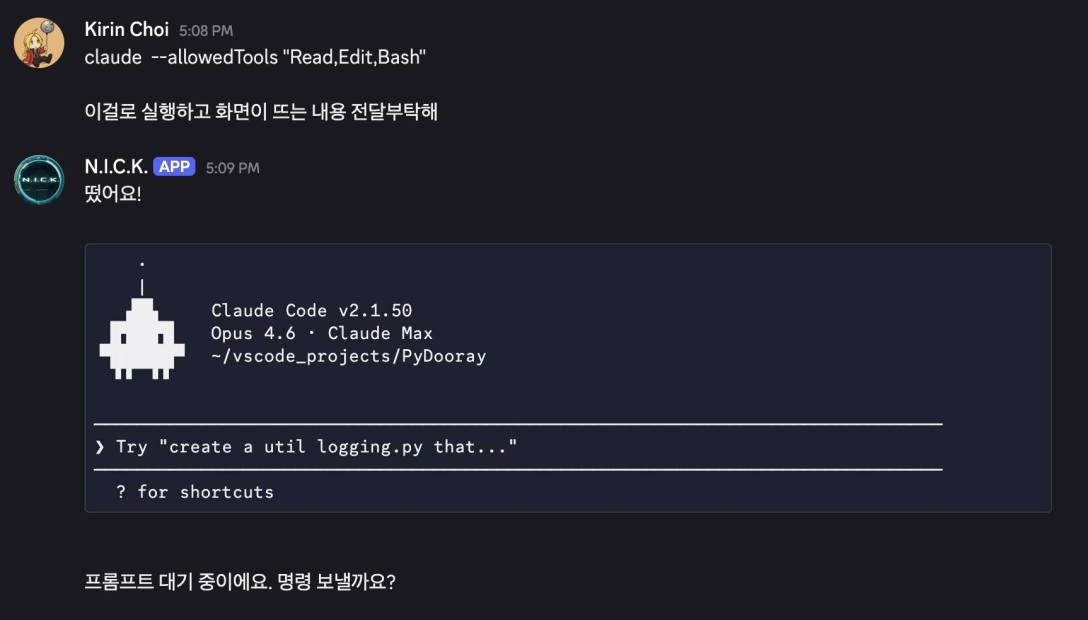
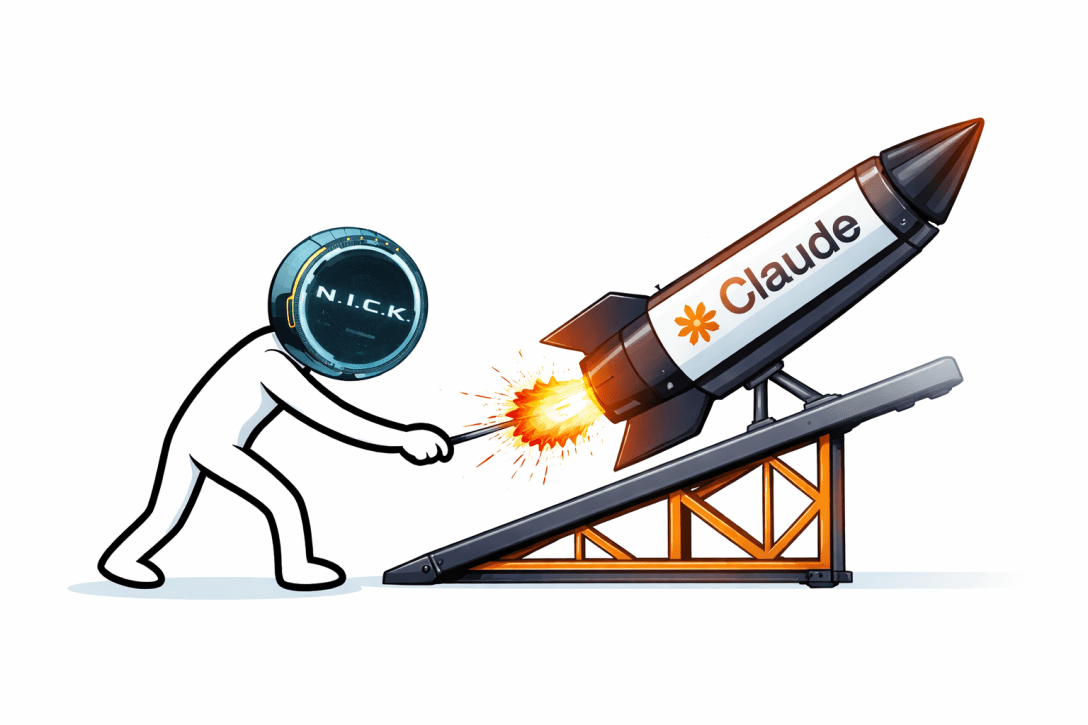
I’ve mentioned my "AI Diplomacy" project in a previous post. It started with a Claude Remote Session, but once the initial implementation was done, I found myself needing local access more often, so I had set the remote session aside for a while. Then, during lunch today, a thought popped into my head. 'If my… Continue reading Summoning a Remote Dev Environment via Chat

I Let an AI Build an AI to Play Diplomacy: A Hands-Off Experiment

My writing automation isn't quite finished yet, but with all the buzz around Claude Code lately, I felt like I had to check it out. I decided to dust off an idea from my mental backlog of personal projects: making AIs play the board game Diplomacy against each other. A quick YouTube search shows plenty… Continue reading I Let an AI Build an AI to Play Diplomacy: A Hands-Off Experiment

Building a Writing Workflow Automation System (Part 3)

Having already tasked N.I.C.K., my OpenClaw AI assistant, with handling translations and Facebook uploads, I expected the rest of the process would just be a repeat of the same pattern. And that expectation wasn't far off. The WordPress publishing flow was incredibly smooth. All it took was creating an app, granting the necessary permissions, setting… Continue reading Building a Writing Workflow Automation System (Part 3)

Building a Writing Workflow Automation (Part 2)

Now that I've set things up so I can collaborate with my OpenClaw AI assistant, N.I.C.K., via GitHub Issues, it's time to teach N.I.C.K. how to publish posts on each platform. I can't exactly keep telling GitHub, issue after issue, "this is how you upload to Facebook." In OpenClaw—and now in Claude Code as well—there's… Continue reading Building a Writing Workflow Automation (Part 2)

Building a Writing Workflow Automation (Part 1)

Since mid-January, I've been following this writing pattern: Post to Facebook first, then upload the same content to Instagram, translate it to English and post to my WordPress blog, then post the same content to LinkedIn. There are additional rules for edge cases—daily life posts only go to Facebook and Instagram, longer posts get split… Continue reading Building a Writing Workflow Automation (Part 1)

Why I Ended Up Creating a Facebook Page

The whole thing goes back to mid-January. At my wife's suggestion, I picked up a book called How to Become Independent Through Writing1. She said she hoped it would help with something I'd been wrestling with. It did—more than I expected. And that day I made a decision: come what may, I need to keep writing… Continue reading Why I Ended Up Creating a Facebook Page

I Asked Claude Code for Optimization. It Found a Defect.

Because there's no clear owner, I'm currently responsible for a few repositories. Most of them are data-pipeline related—projects that had been drifting without proper history, or ones I inherited after the original maintainer left and there was no obvious handoff target. Lately, as I've been studying Claude Code and SDD, I realized these repos couldn't… Continue reading I Asked Claude Code for Optimization. It Found a Defect.

On the Case Where My AI Agent Asked for tmux

About a week ago, I tried agent coding through OpenClaw but paused it after some initial tests. It seemed to work, but I wasn’t convinced there was enough benefit. Over the past few days, though, my mindset shifted—I decided to trust AI a bit more. Also, given the timing, I figured I should try everything… Continue reading On the Case Where My AI Agent Asked for tmux

“Delete This” — And My AI Almost Did the Wrong One

There are two major concerns people raise about the risks of adopting OpenClaw. One is security risk—attacks from outside and related exposure. The other is the risk of the AI taking dangerous actions on its own. This second category includes both security incidents and operational risks such as unintended data deletion. I almost ran into… Continue reading “Delete This” — And My AI Almost Did the Wrong One